Myopia Management
 Specialty Contacts
 Purchase Contacts


Custom Contact Lenses for Irregular Corneas: What to Know
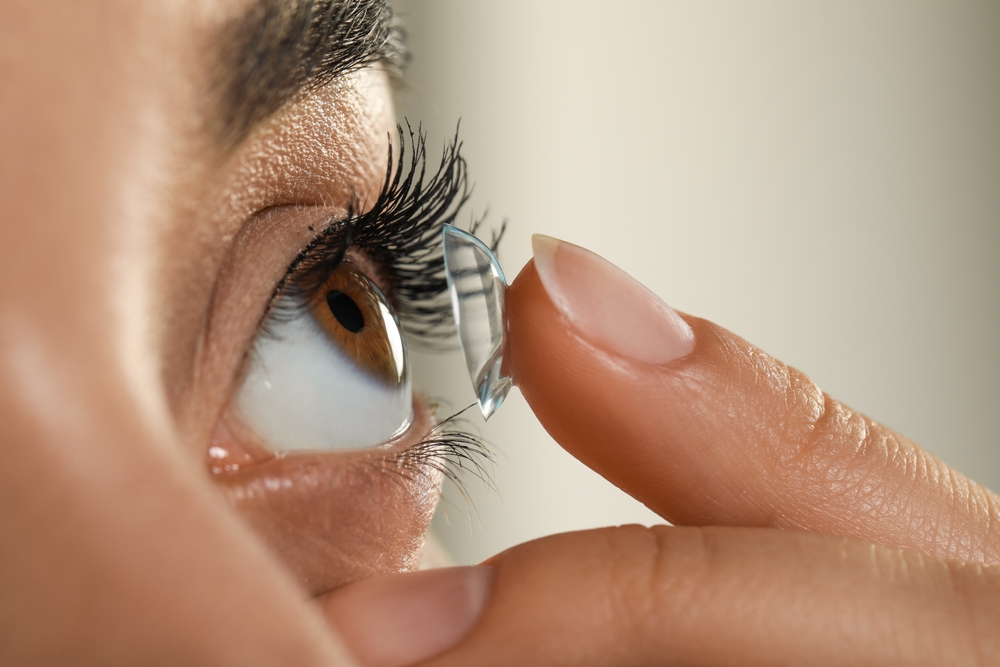
For many people, standard soft contacts provide clear, comfortable vision. But when the cornea has an irregular shape, traditional lenses may not sit properly on the eye or provide the sharpness needed for daily activities. Custom contact lenses are designed to address these more complex vision needs by creating a better fit, improved stability, and clearer vision.
What Is an Irregular Cornea?
The cornea is the clear front surface of the eye. Ideally, it has a smooth, even curve that helps focus light correctly. When the cornea is uneven or distorted, vision can become blurry, shadowed, or difficult to correct with glasses or standard contacts.
Irregular corneas may be caused by conditions such as keratoconus, corneal scarring, previous eye surgery, or injury. These changes can affect how light enters the eye, leading to visual distortion even when a person has an updated prescription.
Why Standard Contacts May Not Work Well
Standard soft contact lenses are made for more typical corneal shapes. When the eye surface is irregular, these lenses may shift, rotate, or fail to provide consistent focus. Some patients may notice fluctuating vision, lens discomfort, or difficulty wearing contacts for long periods of time.
Custom contact lenses are made to match the unique shape of the eye more precisely. This allows the lens to sit more securely and create a smoother optical surface, which can help improve both comfort and clarity.
Types of Custom Contact Lens Options
The best lens option depends on the condition of the cornea, tear film quality, vision goals, and overall eye health. During a contact lens evaluation, Dr. Sturm will take detailed measurements to determine which design may work best.
Custom options may include:
• Scleral lenses that vault over the cornea and rest on the white part of the eye
• Rigid gas permeable lenses that provide a firm, clear optical surface
• Hybrid lenses that combine a firm center with a softer outer edge
• Custom soft lenses designed for more unique prescriptions or corneal shapes
Each option has different benefits, and the right choice depends on how your eyes respond during the fitting process.
What to Expect During the Fitting Process
A custom contact lens fitting is more detailed than a standard contact lens exam. Dr. Sturm may use advanced diagnostic technology to evaluate the shape of your cornea, measure the front surface of the eye, check tear film stability, and assess how trial lenses settle on the eye.
Because irregular corneas can be complex, this technology helps guide a more precise lens design and a more personalized fitting process. Follow-up visits and lens adjustments may still be needed to fine-tune comfort, vision, and long-term eye health.
Benefits of a Personalized Lens Design
For patients with keratoconus or other corneal irregularities, custom contact lenses can make a significant difference in quality of life. Many patients experience sharper vision, better lens stability, and more comfortable wear compared to standard contacts.
They may also help people who have struggled with glare, halos, ghosting, or inconsistent vision. With the right fit, custom lenses can provide clearer sight for reading, driving, working, and everyday tasks.
When to Schedule an Evaluation
If glasses or regular contacts no longer provide clear, stable vision, it may be time to schedule a custom contact lens evaluation. Persistent blur, distorted vision, contact lens discomfort, or a diagnosis of keratoconus are all reasons to talk with an eye doctor about advanced lens options.
Schedule a consultation with San Marcos Vision Center to learn more about custom contact lens options for irregular corneas. Visit our office in San Marcos, Texas, or call (512) 890-0660 to book an appointment today.


MAP
© 2026 San Marcos Vision Center. All Rights Reserved. Accessibility Statement - Privacy Policy - Sitemap
Powered by: